
Pokies in Australia: Where the Coins Drop and the Mates Gather

You’ve seen them in every pub from Broken Hill to Bondi – the glowing screens, the clatter of virtual coins, the occasional roar when a neighbour hits a bonus round. Pokies have been woven into the fabric of Australian life for decades, sitting right alongside a cold schooner and a meat pie. But what’s the real story behind these machines that swallow more than $12 billion a year from Aussie pockets? It’s a yarn about regulation, habit, technology, and the quiet shift from the local RSL to the phone in your pocket.
Whether you’re sinking a few at the local or just passing through, the pull of the reels is hard to ignore. These days, you can even get that same buzz without leaving the lounge room, thanks to sites like spinago online that bring the action straight to your phone. It’s a fair dinkum shift, but the thrill of the spin remains as Australian as a sausage sizzle.
“Reckon I’ll have a crack on the Dragon’s Luck after this round, mate.” “Yeah nah, I’m saving my quid for the online ones – less smoke, better odds.” That kind of chat is happening in cafes and backyards across the country, as the classic pub pokie gets a digital cousin. The landscape is changing faster than a Sydney southerly, and punters are taking notice.
Australia holds the unenviable crown for the highest gambling losses per capita on the planet, and pokies are the main culprit. But it’s not all doom and gloom – there’s a growing push for safer play, tighter regulation, and platforms that actually look after their customers. The trick is knowing where to spin and when to walk away.
This article cuts through the spin to give you the honest lowdown on pokies in Australia: the laws, the venues, the online revolution, and the operators that are doing it right. Grab a cuppa, pull up a chair, and let’s have a proper look.
The Pub and Club Legacy That Built a Nation
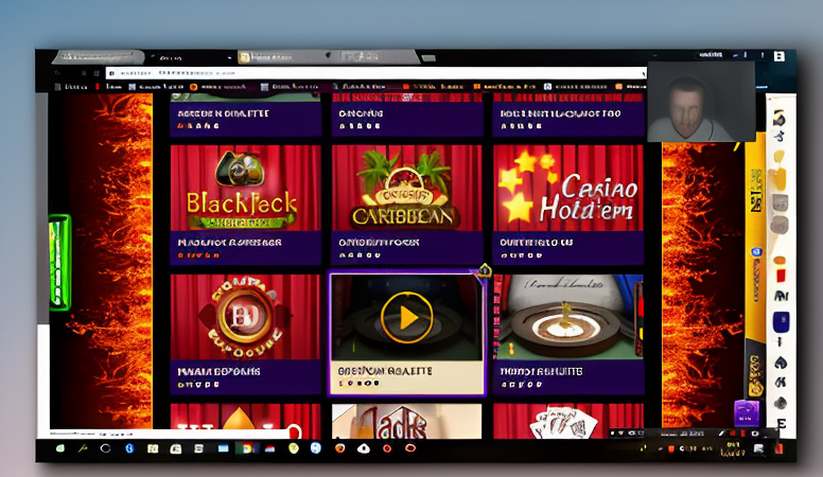
Walk into any suburban pub in NSW or Victoria, and you’ll find a room lined with machines humming like a beehive. That’s the heart of Australian pokie culture – the local club or tavern where tradies stop in after a shift and retirees nurse a pot while feeding a few notes into the terminal. It’s so ingrained that the term “pokies” is as Aussie as thongs and vegemite.
In Queensland and Western Australia, the rules are a bit different – WA only has pokies at the Crown Perth casino, while Queensland has them in pubs and clubs but with stricter caps. The variation between states creates a patchwork of experiences. Down in Tasmania, they’re still debating whether to phase them out of community venues entirely. It’s a messy, democratic mess that reflects our love-hate relationship with the one-armed bandit.
Sophie Hall, Senior Market Analyst at Nullarbor Gaming Analytics, puts it plainly: “The Australian pokie market is unique because it’s deeply localised – each state has its own regulatory body, its own tax rates, and its own cultural attitude toward gambling. That fragmentation makes it hard for operators to scale, but it also protects the local pub ecosystem that so many communities rely on.”
How the Law Shapes the Spin
If you think pokies in Australia are a free-for-all, think again. The federal government sets the broad framework through the Interactive Gambling Act 2001, but the real heavy lifting happens at the state level. Each jurisdiction licences venues, sets maximum bet limits, and enforces harm-minimisation measures like pre-commitment cards and mandatory breaks.
NSW leads the charge with the most pokies per capita – over 90,000 machines across clubs and pubs. Victoria has around 30,000, with strict venue caps and a statewide pre-commitment system called YourPlay. South Australia and the ACT have their own versions, while the Northern Territory has become a hub for online operators thanks to lighter licensing rules. That’s why many offshore-facing sites are based in Darwin.

The recent spotlight from the ABC’s Four Corners investigation into Crown and Star casinos has put extra pressure on governments to tighten the screws. The fallout has led to royal commissions, licence suspensions, and a broader conversation about whether the current system protects punters or the house. It’s a debate that isn’t going away anytime soon.
Online Pokies: The Digital Gold Rush
Let’s be honest – the pandemic changed everything. When pubs closed and clubs went quiet, Aussies turned to their phones. Online casinos offering pokies boomed, and they haven’t slowed down since. The convenience of spinning from the couch, the variety of themes, and the ability to play for real money without leaving your trackies has reshaped the market.
But here’s the catch: the Interactive Gambling Act technically prohibits Australian-based companies from offering online pokies to locals. That means most of the action comes from offshore operators who hold licences in Curacao, Malta, or the Kahnawake territory. These sites are legal for players to use, but they operate in a grey zone – no local consumer protection, no Australian dispute resolution, and often dodgy terms.
That’s why it pays to stick with reputable platforms that have a proven track record in the Aussie market. One standout is spinago online, which has built a solid reputation for fair play, fast payouts, and games that actually work on a dodgy NBN connection. They’ve tailored their offering to Australian players – think big jackpot progressives, classic three-reelers, and the latest video slots from top studios like Pragmatic Play and Hacksaw Gaming.
What to Look for in a Legit Online Casino
With dozens of offshore sites vying for your dollar, separating the wheat from the chaff is crucial. The first thing to check is the licence – a Curacao eGaming licence is the bare minimum, but a Malta Gaming Authority or UK Gambling Commission licence is a stronger sign of integrity. Next, look at the game selection: a good site will have hundreds of pokies from multiple developers, not just one or two.
For a deeper look into the industry’s shady operators, the Four Corners investigation is a must-read. Beyond the licence, you should also check for independent audits and player reviews. A site that’s been flagged by consumer watchdogs is best avoided.
Payment methods matter too. Aussie-friendly options like POLi, PayID, and Neosurf are essential – you don’t want to be messing around with international bank transfers. Withdrawal speeds are another tell: the best sites process cashouts within 24 hours, while the dodgy ones make you wait a week and ask for ID three times.
Customer support should be available 24/7 via live chat, not just an email form that gets answered next Tuesday. And if the site has a dedicated VIP programme for high rollers, that’s a bonus – but only if the terms are transparent. Joe Fortune, for example, has carved out a strong position in the Australian market by offering generous deposit matches, a wide range of pokies, and a loyalty system that actually rewards regular play without hidden wagering requirements. They’re a solid benchmark for what a top-tier online casino should look like.
The Social Side: Pokies as Entertainment, Not Escape
For most Aussies, playing pokies is a social activity – a bit of fun with a mate, a way to kill an hour, or a flutter on a big jackpot. The problem starts when the fun turns into a habit, and the habit turns into a problem. That’s why responsible gambling tools are non-negotiable for any decent operator.
Look for sites that offer deposit limits, session time reminders, self-exclusion options, and links to support services like Gambling Help Online. The best platforms don’t just pay lip service to responsible gambling – they build it into the user experience. A good example is the way some casinos now require a mandatory cool-off period after a big win, preventing the “chase” mentality that leads to losses.
Sophie Hall adds: “The industry is slowly waking up to the fact that player retention doesn’t come from squeezing every last dollar – it comes from trust. Operators that prioritise transparency and player wellbeing are the ones that will survive the inevitable regulatory crackdowns.”
The Future of Pokies Down Under
So where to from here? The trend is clear: more regulation, more digital, and more emphasis on harm minimisation. Several states are considering mandatory cashless gaming cards that limit how much a punter can lose in a session. The federal government is also looking at banning credit cards for online gambling, following the UK’s lead.
On the tech side, virtual reality pokies and live dealer games are starting to pop up, though they’re still niche. The real growth is in mobile-first platforms that let you spin on staging.vrinfra.co.in the train, at the beach, or while waiting for the barbie to heat up. As 5G rolls out across the country, the experience will only get smoother.
One thing’s for sure: pokies in Australia aren’t going anywhere. They’re too deeply embedded in our culture and our economy. But the way we play them is evolving – and if the industry plays its cards right, the future could be safer, fairer, and still plenty of fun. Just remember to set a limit, know when to walk away, and never chase a loss. That’s the golden rule, whether you’re at the local pub or spinning on your phone.
Related Články
4 ra bet – how to start playing at the online casino in India
4 ra bet - how to start playing at the online casino in India ▶️…
Вавада казино | Vavada Зеркало Вход на официальный сайт (2026)
Вавада казино | Vavada Зеркало Вход на официальный сайт (2026) ▶️ ИГРАТЬ Содержимое Вавада казино…
FamBet Casino en ligne – jeux, bonus et méthodes de paiement
FamBet Casino en ligne - jeux, bonus et méthodes de paiement ▶️ JOUER Содержимое Création…

No Comments